4 May 2026 · 8 min read
Mainland Greece vs island hopping — which is right for you?
The most under-asked question in Greek trip planning, answered honestly.
Most travellers planning their first trip to Greece assume the islands are the destination and the mainland is just where the airport is. The Cyclades are the postcard, after all — Santorini's whitewashed cliffs, Mykonos's nightlife, Naxos's beaches. The mainland, in contrast, gets a single line in the guidebook: "Athens, then on to the islands."
This framing has cost many first-time visitors the most rewarding part of their trip. The honest comparison is more interesting.
What island hopping actually delivers
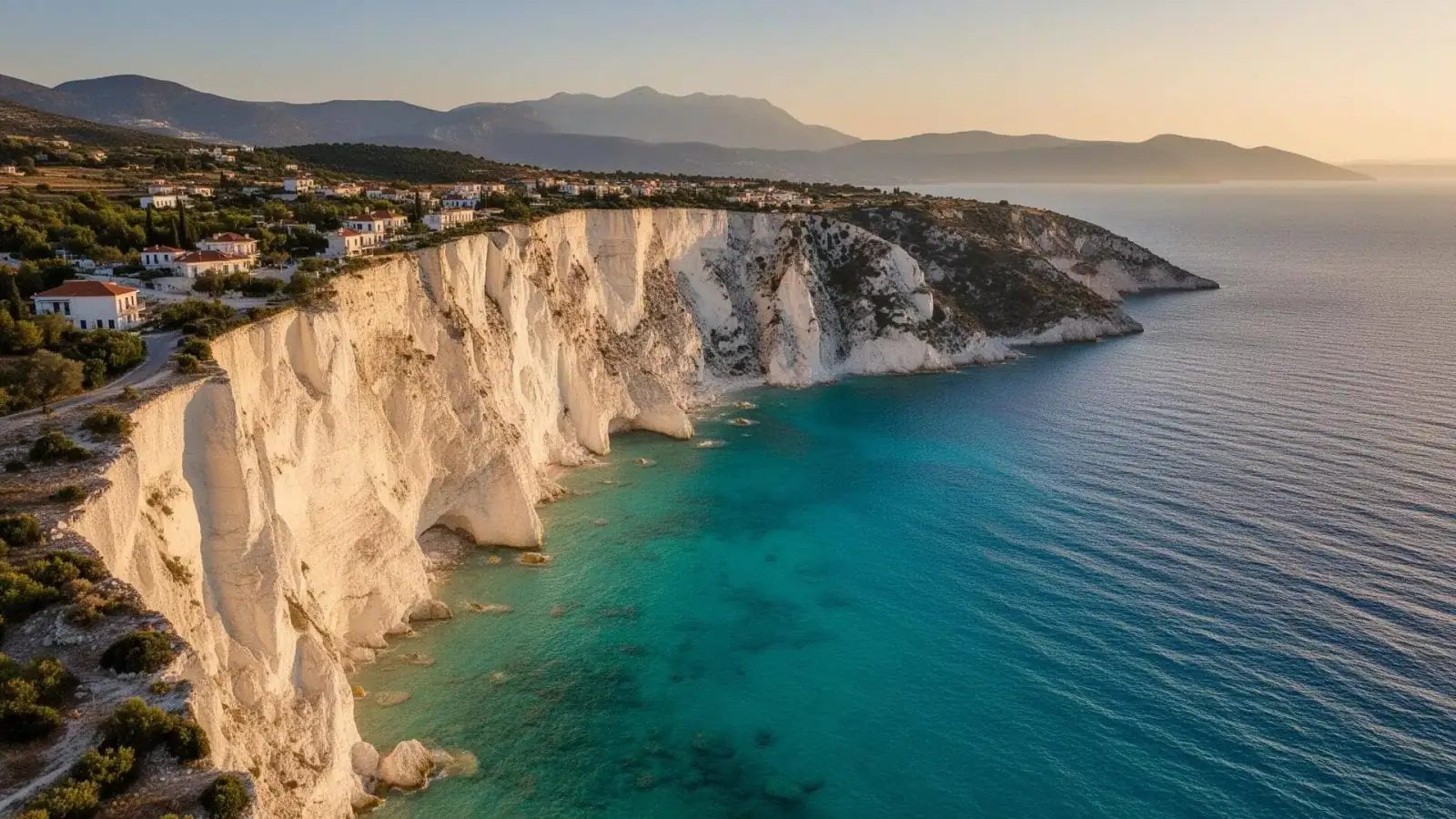
The Greek islands at their best are extraordinary — particular light, particular pace, the sea everywhere. Santorini at sunset, a Naxos beach in early September, a Milos cove with no-one else in it. For travellers who want sea-led, slow, and visually iconic, the islands deliver completely.
The honest costs: ferries take time and energy, the popular islands (Santorini, Mykonos, Paros) are intensely crowded May–September, and "island hopping" with three or four islands in a week is more transit than travel. Hotel check-ins compound — three islands means three check-ins, three unpacks, three new orientations. By day five most travellers are tired in a way the brochure did not warn them about.
The other honest cost: the islands have very little cultural depth beyond the visual. Santorini's history was buried by a volcano. Mykonos was a fishing village before it was a brand. The exception is Crete (large enough to be a small country) and Rhodes (medieval old town). Most other islands are about being there, not about discovering layers.
What mainland Greece actually delivers
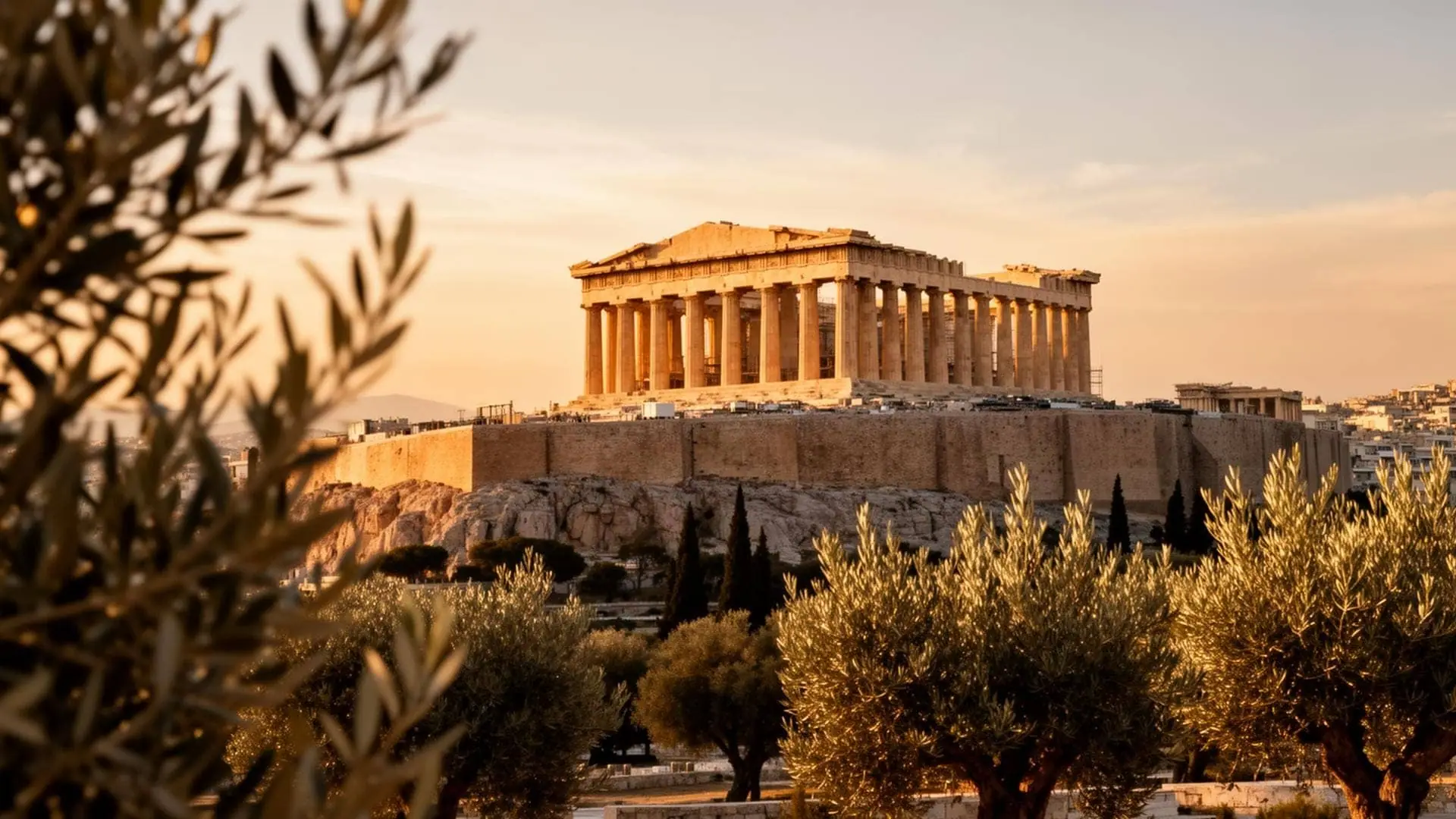
Mainland Greece is the opposite product. The depth is the point. UNESCO sites at Delphi, Meteora, Mycenae, Olympia and Vergina. Byzantine monasteries clinging to vertical rock. The medieval town of Monemvasia inside a single fortress. Mountain villages in Pelion and Arcadia where the road still follows the donkey path. World-class wine in Nemea. Empty beaches in Messinia and the Ionian that you reach by car.
The honest cost: the mainland requires more energy to plan, and the visual hits are different — golden stone instead of white-and-blue, mountains and olive groves instead of clifftop pools. If your inspiration came from Instagram, the first day adjusts your eye.
The honest reward: travellers who choose mainland describe it almost universally as "the trip we are most glad we made". It is the part of Greece that stays with you.
Which is right for you
Choose island hopping if: you have one week or less, this is your first time to Greece, your inspiration is sea and sun, and your travel companions agree on a single island (rather than three rushed ones).
Choose mainland Greece if: you have seven days or more, you are interested in history or culture or food beyond the surface, you are travelling as a couple or small family who values pace, you have visited Greece once before (almost everyone returning chooses mainland), or this is a milestone trip.
Choose both — mainland first, then one island — if you have ten days or more. This is the rhythm we recommend most often. The mainland gives you the country; the island gives you the rest.
What we don't recommend
We do not recommend three islands in seven days, regardless of who is selling it to you. We do not recommend Santorini and Mykonos together (they are the same product done twice). And we do not recommend skipping mainland Greece altogether on a first trip — the Acropolis at dawn is the foundation of everything else you will see.
Greece rewards the traveller who slows down. Whichever side you choose, choose less and stay longer.
Mentioned in this article
Related private journeys

Ready to design your journey?
Tell us what you have in mind. Reply within 2 hours. No obligation.
Continue reading